
Oak Wilt Prevention: Minnesota’s Year-Round Seasonal Guide
Worried about oak wilt? Learn when it spreads, how to recognize symptoms, and the best times to prune, treat, and protect Lake Minnetonka oak trees.

4.7 OUT OF 5 STARS
Trusted by homeowners
across the twin cities
Oak wilt can kill a mature red oak in as little as four to eight weeks. White oaks often decline more slowly, but without proper management, they can suffer the same fate. Left unchecked, this aggressive disease can spread to nearby oaks, turning the loss of one tree into a much larger problem for your property.
Lake Minnetonka and the Twin Cities metro are hotspots for oak wilt. Dense oak populations combined with frequent construction and pruning create ideal conditions for the fungus to establish and spread. Knowing when oak wilt spreads—and how to avoid creating opportunities for infection—is the foundation of effective prevention.
Key Takeaways
- Oak wilt spreads April through July via sap beetles to fresh pruning wounds; your trees are at peak risk right now.
- Red oaks infected with oak wilt die within four to eight weeks; white oaks decline over months to years.
- Underground root grafts between oaks spread disease silently; a single infected tree can infect an entire grove.
- Preventive fungicide injection protects healthy oaks near infection and lasts approximately two years per treatment.
- Professional diagnosis is essential because oak wilt symptoms resemble other tree diseases and require lab confirmation.
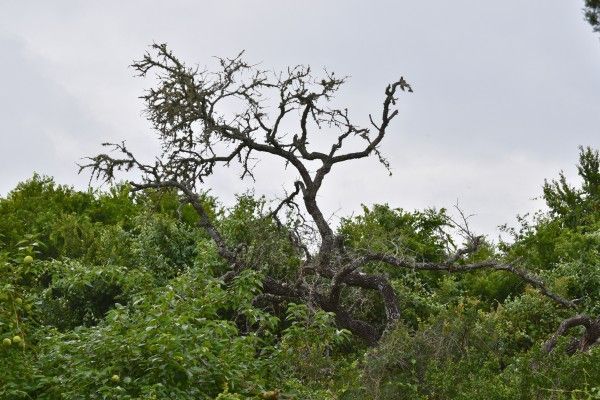
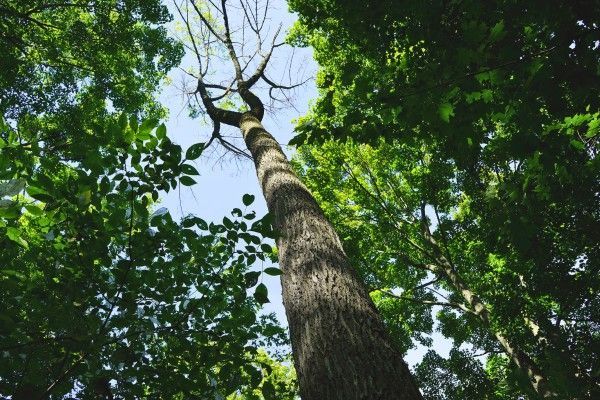
Significant canopy dieback and dead branches can be symptoms of oak wilt or other serious tree health problems. A professional diagnosis is essential to determine the cause and recommend the appropriate treatment.
What Is Oak Wilt?
Oak wilt is caused by the fungus Ceratocystis fagacearum. It blocks water transport in oak tree vascular systems, causing rapid defoliation and death in red oaks (such as northern red oak and pin oak) and slower decline in white oak species (such as bur oak and white oak).
The disease is present in approximately 40 percent of Minnesota across 33 or more confirmed counties. Populations expand northward and westward each year, with the highest concentration in the southern half of the state’s red oak range. Loss of a single mature oak reduces property value by 10 to 20 percent and triggers a cascade of secondary infections through underground root grafts.
How Do You Identify Oak Wilt?
Early identification is the only way to save trees. Oak wilt symptoms differ dramatically between red oak and white oak species, and misidentifying the disease wastes critical time.
Red Oak Symptoms (Rapid Decline)
Red oaks show rapid, unmistakable signs of infection:
- Rapid wilting starting at the crown and progressing downward over one to two months
- Leaves turn brown or bronze at the margins, spreading inward
- 90 percent or more of leaf loss within one to two months
- Premature leaf drop mid-summer (not normal fall leaf drop)
- Fungal pressure pads (gray, fruity-smelling mats) form under bark the spring after tree death
Red oaks typically die four to eight weeks after infection.
White Oak Symptoms (Slow Decline)
White oaks decline slowly and can resemble other stresses:
- Scattered branch dieback over multiple years (not whole-tree collapse)
- Brown veining appears in affected branches
- Progression resembles drought stress or root damage
- Infected white oaks may live for years with partial crown decline
How Does Oak Wilt Spread?
Oak wilt reaches healthy trees through two pathways: fast (overland via beetles) and silent (underground via root grafts).
Overland Spread
Sap beetles (Nitidulidae species) are attracted to fresh pruning cuts. They feed on fungal spore mats under the bark of infected oaks in spring and early summer. As they feed, beetles carry spores to new wounds on healthy trees. A single beetle on a fresh pruning cut can infect an entire tree.
Peak beetle activity occurs April 1 through July 15, especially when temperatures exceed 60 degrees Fahrenheit. Pruning oaks during this window invites beetles to fresh wounds.
Underground Spread
Oaks of the same species growing within 50 feet of each other develop root grafts. Roots intertwine underground, and the fungus travels through these connections undetected. One infected tree quietly infects an entire root-connected network over months or years.
This silent spread is most dangerous in dense oak neighborhoods, lakeshores, estate properties, and nature areas where multiple oaks share root systems.
What You Can Do to Prevent Oak Wilt
Oak wilt prevention is not a single action but a year-round cycle tied to the seasons and your trees’ vulnerability.
Summer (June–August): Avoid Pruning and Watch for Symptoms
Summer is the highest-risk season for oak wilt because sap beetles are most active and can carry fungal spores to fresh pruning wounds. Avoid pruning healthy oaks during this time whenever possible, and wait until winter when beetles are dormant. If a damaged branch creates an immediate safety hazard, emergency pruning may be necessary, but fresh cuts should be sealed immediately with a latex-based wound paint.
Throughout the summer, monitor your oaks for early signs of oak wilt, including brown leaf veining, curled leaves, premature leaf drop, or sudden wilting. If you notice any of these symptoms, have a certified arborist inspect the tree as soon as possible.
Fall (September–November): Plan Winter Tree Care
Schedule winter pruning and any recommended preventive fungicide treatments with a Certified Arborist early, since winter schedules fill up quickly.
If you suspect oak wilt on your property, don’t wait until spring. A comprehensive oak assessment can determine whether the disease is present, identify trees at risk, and recommend the best course of action. In some cases, that may include removing heavily infected oaks before root grafts spread the disease to nearby trees or enrolling healthy oaks in a year-round plant health care (PHC) program to reduce future risk.
Winter (November–March): Prune Oaks and Complete Preventive Treatments
Winter is the safest and most important season for oak wilt prevention. With sap beetles dormant, healthy oaks can be pruned without creating an opportunity for the disease to spread. This is also the ideal time to complete preventive fungicide injections for high-value or high-risk trees before spring growth begins.
If an oak is heavily infected, winter is the preferred time for removal to help reduce the risk of the fungus spreading to nearby trees. Because Certified Arborists often book through February, it’s best to schedule winter tree care well in advance.
Spring (April–May): Inspect Trees and Act Quickly on Symptoms
Have a certified arborist assess your oaks for early symptoms as leaves emerge. Look for premature wilting, bronze-tinted leaves, or branch dieback.
If oak wilt is confirmed, plan treatment immediately. Options include fungicide injection for healthy oaks near infection or removal for heavily infected trees.
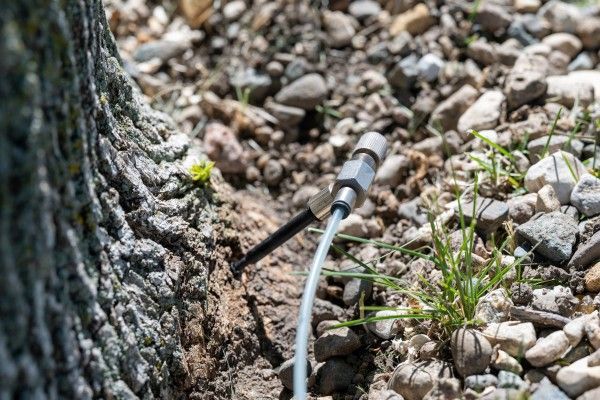
Preventive fungicide injections deliver treatment through the tree’s vascular system and can help protect healthy, high-value oaks in areas where oak wilt is present.
What Are Your Treatment & Prevention Options?
Even with good seasonal care, some trees may still require professional treatment depending on when the disease is discovered. Your options depend on whether your oak is still healthy or already infected, and how early the disease is identified.
Preventive Fungicide Injection
Macro-injection places fungicide into the root flare of the tree. The fungicide travels through the vascular system over two or more years.
This option is best for healthy oaks near known infected trees or in high-risk areas. Fungicide injection is highly effective on red oaks and can slow progression in white oaks with early symptoms (less than 30% crown affected). Protection lasts approximately two years per treatment; biennial retreatment is required for ongoing protection.
Limitation: Fungicide injection does not prevent underground (root graft) spread. It must be paired with root graft disruption if needed.
Root Graft Disruption (Vibratory Plow Trenching)
This method physically severs root connections between infected and healthy trees. A trench is placed 100 or more feet beyond the last symptomatic tree to prevent fungus spread.
Root graft disruption is most effective for dense oak neighborhoods where root graft probability is high. It works best when paired with infected tree removal and fungicide injection on surrounding oaks.
Infected Tree Removal & Sanitation
Red oaks with oak wilt cannot be saved and must be removed before the next growing season.
Timing matters. Remove infected oaks in fall (after root cutting) or winter to prevent fungal mat formation and spore production. Dispose of wood properly by debarking, chipping, burning, or burying wood before April 1 of the following year. Alternatively, cover fresh oak firewood with four to six mil plastic and seal it to the ground for the entire growing season.
Removing infected trees reduces spore load and protects neighboring oaks. Coordinate with neighbors for comprehensive neighborhood management.
Why Is Professional Diagnosis Important for Oak Wilt?
Oak wilt can look like drought stress, root damage, and several other tree diseases, making it difficult to identify based on symptoms alone. A Certified Arborist can determine whether oak wilt is the true cause of a tree’s decline and recommend the appropriate response. When needed, branch samples can be submitted to the UMN Plant Disease Clinic for laboratory confirmation.
Because oak wilt can spread quickly through connected root systems and fresh pruning wounds, early diagnosis gives homeowners the best chance of protecting nearby oaks. Whether the right solution is preventive fungicide injections, root graft disruption, targeted monitoring, or tree removal depends on accurately identifying the disease and responding before it has an opportunity to spread.
Frequently Asked Questions About Oak Wilt Prevention
What should I do if I already pruned my oak outside the safe window?
Don’t panic. Immediately seal the pruning cuts with latex-based wound paint. Schedule a professional assessment to monitor the tree for symptoms over the next six to twelve months. Many trees escape infection even after pruning during high-risk months.
How do I know if my neighbor’s infected oak threatens my trees?
If your neighbor’s oak shows oak wilt symptoms and your oaks are the same species and within 50 feet, your trees are at high risk through underground root grafts. Request an arborist assessment immediately. Preventive fungicide injection on your healthy oaks can provide protection while you coordinate management of the infected tree with your neighbor.
What happens if I ignore oak wilt symptoms and do nothing?
For red oaks, infection is typically fatal. The tree will defoliate completely and die, creating a hazard in your yard and a spore factory that infects neighboring oaks. For white oaks, the disease progresses over months to years, but infected branches gradually kill the canopy. Either way, you lose a valuable tree and increase disease spread to nearby trees.
Do I need to do anything if my oaks look healthy right now?
Yes. A professional assessment is worthwhile, especially if you live on Lake Minnetonka or in a dense oak neighborhood. An arborist can determine whether your trees are at high risk. For low-risk trees, monitoring is sufficient. For high-risk oaks, preventive fungicide injection can provide cost-effective protection that’s far cheaper than removing multiple dead oaks later.
How much time do I have once I spot oak wilt symptoms?
For red oaks, you have days to weeks. The tree declines severely and should be removed within weeks to prevent fungal mat formation and disease spread. For white oaks, you may have months to a year, but early professional intervention increases your options. This is why professional assessment at the first sign of symptoms is critical.
What if I can’t afford preventive treatment or removal?
Preventive fungicide injection is cost-effective compared to replacing a large dead oak later. Removal is sometimes the only option if a tree is already infected. Coordinate with neighbors on removal timing to prevent shared spore production. Discuss options and realistic timelines with a Certified Arborist. Many offer flexible scheduling that fits budgets.
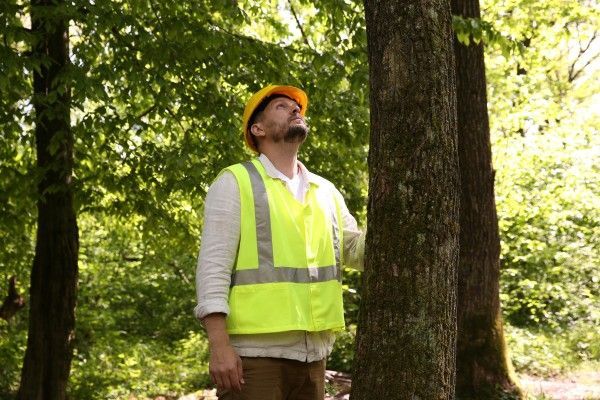
A Certified Arborist inspects a mature oak tree for early signs of oak wilt, helping Twin Cities homeowners identify problems before they become irreversible.
Let Ostvig Tree Care Protect Your Oaks Year-Round
Oak wilt threatens Minnesota oaks, but it’s preventable with professional assessment and year-round care. The stakes are highest on Lake Minnetonka, where mature oaks drive property values and dense root systems create ideal conditions for disease spread.
Protect your oaks with a professional assessment before symptoms appear. Call 952-473-0534 or schedule an arborist assessment online to develop a customized plan for year-round protection.
Categories

Jim Ostvig
Few people know Minnesota trees like Jim Ostvig. As an ISA Certified Arborist and former owner of Ostvig Tree Care, he has built a career around providing practical, science-based recommendations that put the long-term health of trees first.
Related Posts
Jim Ostvig | August 14, 2026 | Tree Care Tips
Plant Health Care Programs: What’s Included & Why You Should Enroll
Plant health care keeps trees healthy for years. Discover what's included in a PHC program, why they save money compared to removal, and how to get started.
Jim Ostvig | August 14, 2026 | Tree Care Tips
Best Time to Prune Trees in Minnesota (And When to Avoid)
Discover the best seasons for tree pruning in Minnesota. Learn why winter is best for most trees, plus species-specific exceptions and disease risks to avoid.
Jim Ostvig | December 6, 2025 | Blog, Tree Care, Tree Disease and Pests
Japanese Beetles in Minnesota: Still a Threat in 2026
If you live in the Twin Cities, you’ve likely seen them—shiny green-and-copper beetles munching away on leaves in mid-summer. These are Japanese beetles, and while they’ve been in Minnesota for decades, they’re still one of the most damaging pests to trees, shrubs, and lawns.
Have a Question We Haven't Covered?
Our ISA Certified Arborists are always happy to help. Reach out for a free consultation, or explore more articles in the Learning Center.