
Plant Health Care Programs: What’s Included & Why You Should Enroll
Plant health care keeps trees healthy for years. Discover what's included in a PHC program, why they save money compared to removal, and how to get started.

4.7 OUT OF 5 STARS
Trusted by homeowners
across the twin cities
The best time to save a tree is before it starts showing signs of decline. A Plant Health Care (PHC) program helps keep trees healthy, detects problems early, and gives stressed trees the best chance of recovery before they require costly treatment or removal. It’s a proactive approach that protects both your landscape and your investment.
Whether you’re trying to preserve mature shade trees or address early signs of stress, knowing how a Plant Health Care program works can help preserve the trees that define your landscape.
Key Takeaways
- Plant health care programs combine monitoring, soil care, targeted pest and disease treatment, and pruning to keep trees healthy year-round.
- Preventing one tree removal through early PHC intervention can pay for years of proactive care.
- Fall is the ideal enrollment window because trees show visible stress, homeowners are receptive to care decisions, and it sets trees up for winter recovery.
- PHC programs are customized to your specific trees and property, not a one-size-fits-all approach
- Local threats, like Emerald Ash Borer, soil compaction, and water stress, make PHC especially valuable for Twin Cities and Lake Minnetonka properties.
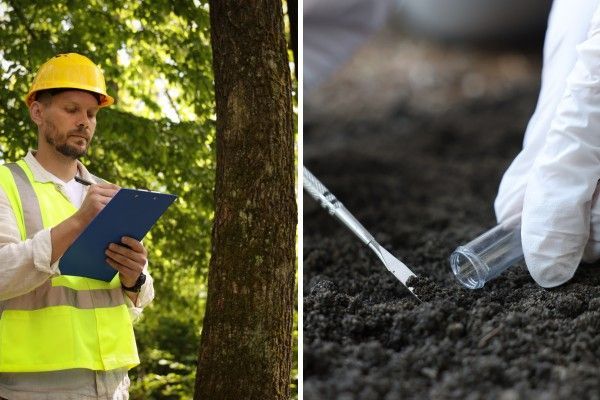
A Plant Health Care assessment combines tree inspections with soil testing to identify problems early and recommend treatments based on your property’s specific needs.
What’s Included in a Plant Health Care Program?
Plant health care is a comprehensive, year-round approach that goes beyond fertilizer or pest spray. Your ISA Certified Arborist designs a customized program that reflects your specific trees and property. Common components of a PHC program includes several services tailored to your landscape:
Regular Monitoring and Assessment
Your program begins with seasonal property inspections designed to catch emerging problems early. The approach focuses on integrated pest management, watching for warning signs and monitoring pest populations before treating them, rather than following a calendar-based spray schedule.
Depending on your property’s needs, your program may include:
- Seasonal inspections by a Certified Arborist
- Early detection of pest, disease, and stress symptoms
- Tracking of your trees’ health year to year
- Written seasonal reports with findings and recommendations
Soil and Root Care
A healthy landscape starts with healthy soil. The assessment phase includes evaluating your property’s soil and root conditions to identify what your trees need. Based on findings, your arborist may recommend:
- Soil testing to assess pH, nutrient balance, and compaction (especially important in Twin Cities clay soils)
- Aeration to relieve compacted soil and improve water absorption
- Deep-root fertilization tailored to your soil test results
- Root collar excavation if buried soil or girdling roots are restricting tree growth
- Mulching guidance to protect the root zone without causing trunk damage
Targeted Pest and Disease Treatment
Rather than treating every pest that appears, a PHC program uses monitoring thresholds to decide when treatment is actually needed. This reduces chemical use and focuses spending on problems that truly threaten your tree’s health.
Pruning and Structural Health
Your arborist evaluates your trees’ structure and overall health to determine what pruning is needed. Based on your property’s needs, recommendations may include dormant-season pruning during winter and early spring in Minnesota to improve structure, reduce hazards, and encourage long-term vitality.
Typical Visit Schedule
Most programs include 2 to 4 scheduled visits per year, timed to local seasons and pest lifecycles. Your arborist customizes the schedule based on tree condition, age, and property risks. Not every property needs the same number of visits or the same seasonal focus.
Why Is Plant Health Care Worth the Investment?
Mature trees provide benefits that take decades to replace. A 60-year-old oak, maple, or elm adds property value, lowers energy costs, manages stormwater, and creates landscape character that a new planting can’t immediately provide. Protecting these established trees is a smart investment.
Preventive Tree Care Costs Less Than Tree Removal
PHC feels like an ongoing expense until you compare it to the cost of reactive tree removal. When decline forces your hand, removal becomes a major, one-time cost. A comprehensive program spread across multiple years of preventive care costs significantly less and prevents that expensive removal. A single prevented removal often pays for years of PHC enrollment.
Healthy Trees Protect Your Entire Landscape
Beyond the direct cost, a declining tree creates additional problems, including water intrusion at the base, structural weakness risking branch failure during storms, and root competition that weakens neighboring plants. Professional monitoring catches issues before they spread, preventing compounding expenses.
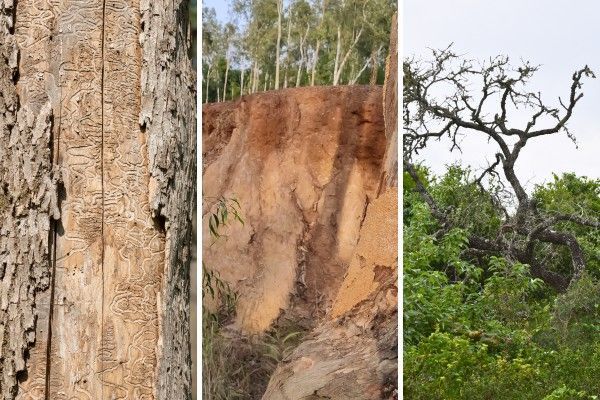
Emerald ash borer, compacted soil, and oak wilt are among the most common threats to tree health in the Twin Cities. A Plant Health Care program helps identify and address these problems before they lead to irreversible decline.
Which Local Tree Threats Does PHC Protect Against?
Twin Cities and Lake Minnetonka properties face unique tree stressors. A strong PHC program addresses these specific threats before they become removal-level problems.
Emerald Ash Borer (EAB)
Emerald Ash Borer continues to kill ash trees across the Twin Cities metro. Infected trees show crown dieback and canopy thinning, with rapid decline once symptoms appear.
Early detection and professional assessment allow strategic decisions about treatment, removal planning, or preventive care for your ash trees rather than emergency crisis removal. If you have ash trees, your window to decide on a course of action is shrinking.
Soil Compaction and Water Stress
Twin Cities clay soils naturally compact, and construction pressure on older properties worsens the problem. Compacted soil restricts root expansion and water absorption. Lake Minnetonka proximity creates water table fluctuations and salt spray stress for near-shore properties.
PHC addresses these issues through:
- Soil testing to identify compaction and nutrient imbalances
- Aeration to relieve soil compaction and improve drainage
- Deep-root fertilization to support root health during drought cycles
- Ongoing monitoring to catch stress early
Oak Wilt
Oak wilt spreads through root grafts and sap-feeding beetles. Local ordinances restrict oak pruning from April through Julyto prevent spread during the high-risk season.
A PHC program can help protect your oaks by:
- Inspecting for early signs of infection
- Pruning during approved dormant season only
- Following municipal regulations to prevent accidental spread
- Strategic planning if infection is detected
Why Is Fall the Ideal Time to Enroll in PHC?
Fall enrollment aligns with tree biology, homeowner behavior, and practical scheduling. Here’s why fall is the right window.
Summer Stress Becomes Visible
Trees show combined stress from drought, peak pest populations, and disease progression by early fall. Homeowners have watched their trees suffer all summer and are ready to take action. Early fall is when people naturally stop and reflect on their landscape and make care decisions.
Professional Assessment Establishes a Baseline
Crown thinning, yellowing leaves, branch die-back, and smaller-than-normal leaf size are easier to spot and diagnose in fall. An arborist assessment now establishes a baseline for next year.
Depending on your trees’ needs, your arborist may recommend fall treatments including:
- Soil amendment and aeration before ground freezes
- Fall fertilization to support winter root development
- Mulching with a clear view of the canopy
- Structural assessment for dormant-season pruning
Trees Enter Dormancy Healthier
Fall work supports winter root development and spring recovery. Trees prepared with soil care and assessment now enter dormancy in better condition and recover faster when growth resumes in spring.
Get Ahead of the Spring Rush
Peak tree care season begins to wind down by early fall. Scheduling an assessment in September or October often means greater appointment availability and more time to plan pruning, treatments, or other tree care before winter and the following spring.
How Do I Get Started with a Plant Health Care Program?
PHC enrollment begins with a single conversation and assessment. Here’s the step-by-step process.
Step 1: Request an Assessment
Contact Ostvig Tree Care to schedule an on-site consultation with a Certified Arborist. The assessment is informal and carries no obligation. It’s a chance to discuss your trees and landscape goals.
Prepare for the assessment by gathering:
- Any history of tree problems you have experienced (disease, pest damage, storm damage, or previous professional work)
- Information about which trees matter most to you (shade trees, specimen plantings, boundary trees, or high-value mature trees)
- Clear communication of your concerns and goals (prevent removal, address a specific disease, achieve general tree health, etc.)
Step 2: Program Design and Planning
After the assessment, your arborist creates a plan tailored to your specific trees and property. The plan includes recommendations for:
- Visit frequency (typically 2 to 4 annual visits)
- Seasonal focus areas based on your trees’ needs (soil work in fall, monitoring in summer, pruning in winter, etc.)
- What to expect at each visit throughout the year
You’ll review the plan together, have an opportunity to ask questions, and adjust the scope to fit your priorities and budget.
Step 3: Ongoing Monitoring and Adjustments
Once enrolled, your arborist becomes your trusted advisor for ongoing tree health. Program adjustments are made based on:
- Seasonal observations and findings
- Pest and disease developments throughout the year
- How your trees respond to care
- Changing priorities or concerns
Written seasonal reports keep you informed and connected to the work being done on your property.
Frequently Asked Questions About Plant Health Care Programs
Is plant health care the same as fertilizing?
No. Fertilization is one component of a PHC program, and only if soil testing shows it’s needed. A complete program includes assessment, monitoring, soil care, targeted pest and disease treatment, and pruning. Many trees need aeration or root zone improvement before they need fertilizer. Applying nutrients without addressing compaction or other root issues can actually worsen decline.
Can I start a plant health care program any time of year?
Yes. Fall is ideal because trees show visible stress, your schedule allows for thorough assessment, and fall treatments set your trees up for winter dormancy and spring recovery. However, you can enroll in a program any time of year. A professional will design a plan around the current season and adjust the visit schedule accordingly.
What should I ask about when requesting an assessment?
Request answers to these key questions before you commit.
- What visits are included per year?
- Is soil testing part of the assessment?
- What happens if a pest or disease is detected?
- Will I receive written seasonal reports?
- How will my arborist communicate findings and recommendations?
- How often will I hear from them?
A clear assessment should answer all of these questions upfront.
Do I need PHC if my trees are young and healthy?
Young, healthy trees benefit from solid basic care like mulching and preventive structural pruning. A full PHC program provides the greatest value for mature trees (15 or more years old) or trees with a history of problems. Start with good fundamental care now. As your trees mature or if problems emerge, a professional program will help you manage long-term health.
Can I take care of my trees without a plant health care program?
Basic tree care, like watering during drought, maintaining mulch, and watching for obvious signs of decline, can be done by most homeowners. However, many pests, diseases, and soil problems develop long before visible symptoms appear. Regular inspections by an ISA Certified Arborist help identify issues early, when they’re often easier and less expensive to manage. Even if you don’t enroll in a year-round program, periodic professional assessments can help keep your trees healthy.
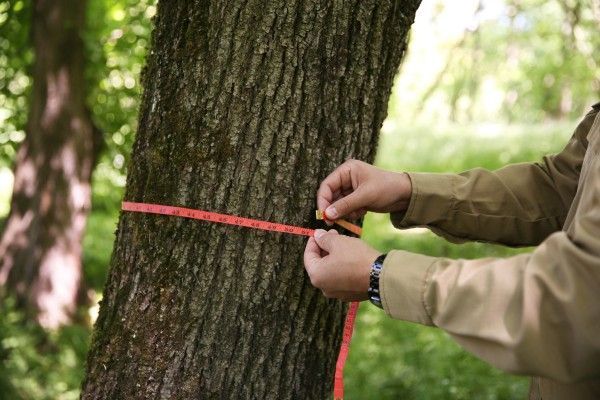
During a Plant Health Care assessment, a Certified Arborist evaluates tree size, condition, and overall health to develop a customized care plan.
Protect the Trees You’ve Spent Decades Growing with a PHC Program
Plant health care protects your landscape’s valuable trees and prevents expensive damage. One prevented removal pays for years of proactive care. Fall is your ideal enrollment window because trees show visible stress, you’re ready to decide, and professionals have availability.
Contact Ostvig Tree Care today at 763-251-9233 or schedule an assessment online. One of our Certified Arborists will evaluate your property and design a program tailored to your trees’ needs.
Categories

Jim Ostvig
Few people know Minnesota trees like Jim Ostvig. As an ISA Certified Arborist and former owner of Ostvig Tree Care, he has built a career around providing practical, science-based recommendations that put the long-term health of trees first.
Related Posts
Jim Ostvig | August 14, 2026 | Tree Care Tips
Best Time to Prune Trees in Minnesota (And When to Avoid)
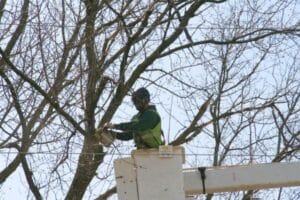
Discover the best seasons for tree pruning in Minnesota. Learn why winter is best for most trees, plus species-specific exceptions and disease risks to avoid.
Jim Ostvig | August 14, 2026 | Tree Pests and Diseases
Oak Wilt Prevention: Minnesota’s Year-Round Seasonal Guide
Worried about oak wilt? Learn when it spreads, how to recognize symptoms, and the best times to prune, treat, and protect Lake Minnetonka oak trees.
Jim Ostvig | December 6, 2025 | Blog, Tree Care, Tree Disease and Pests
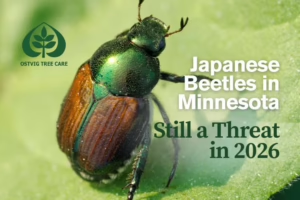
Japanese Beetles in Minnesota: Still a Threat in 2026
If you live in the Twin Cities, you’ve likely seen them—shiny green-and-copper beetles munching away on leaves in mid-summer. These are Japanese beetles, and while they’ve been in Minnesota for decades, they’re still one of the most damaging pests to trees, shrubs, and lawns.
Have a Question We Haven't Covered?
Our ISA Certified Arborists are always happy to help. Reach out for a free consultation, or explore more articles in the Learning Center.