
Trends in Tree Planting: Shade Trees
When it comes to adding new trees to your landscape, including those with an abundance of shade is a great decision. These trees not only shield the sun from us while we’re outside, but also…

4.7 OUT OF 5 STARS
Trusted by homeowners
across the twin cities
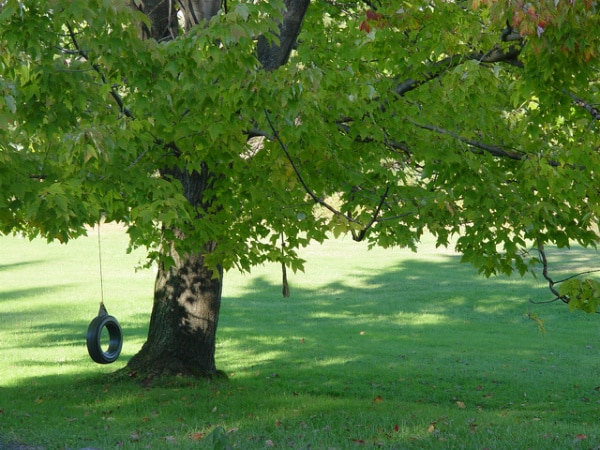
When it comes to adding new trees to your landscape, including those with an abundance of shade is a great decision. These trees not only shield the sun from us while we’re outside, but also shade and cool our homes. This natural air conditioning system can cut down on cooling costs during particularly warm months. These large trees can also act as a wind barrier, cutting down on heating costs. The soil in cities such as Orono, Minnesota is ideal for planting trees, especially shade trees. Below are some of the more popular shade trees that will take well to Minnesota soil.
- Oak Trees: Out of the many types of oak trees available, Bur, Pin, Red, Swamp White, and White are the most highly recommended for Minnesota and can range in heights between 30-80 feet. Their fall leaves cover a rich palette of orange, brown, and red. These are tolerant of a wide range of soil types, though changes in the soil level can affect the roots. Red Oaks are more susceptible to oak wilt than white oaks, so be sure to avoid pruning these during April, May, and June, when they are most vulnerable.
- Maple Trees:Maple trees come in a variety of sizes, so it’s important to know which will grow to a substantial size, providing an optimal amount of shade. Norway, Red, Silver, and Sugar grow 50-80 feet. There are a variety of maples that are unique and add vibrant colors to your landscape. Silver Maples are most commonly planted because of their ability to block the sun and wind and withstand our harsh winters. Young maple trees are prone to sunscald, so be sure to wrap their trunks each fall.
- Linden Trees: There are three types of Linden: American (or Basswood), Greenspire (or Little Leaf), and Redmond. They grow between 40-80 feet and vary in leaf-type and care. The fullness of the tree depends on the space they are given to grow. Lindens in densely wooded areas are slender, whereas Lindens grown in open areas are full and rounded. The American Linden is an animated choice, producing small, white flowers in late June and a yellow leaf pattern in the fall.
- Elm Trees: Elm Trees are a desirable tree choice when picking a shade tree for your yard, but it is important to make sure you are planting one of the many Dutch Elm resistant varieties. Two varieties we recommend are the Valley Forge Elm and the Princeton Elm.
Tips on Planting Shade Trees
It is fine to plant deciduous trees to overhang above another object, such as a sidewalk or driveway, but avoid planting so close to the object that it might obstruct the tree’s growth. Keep the adult tree height in mind when planting near power lines, as this could create a safety hazard to your community and your tree. Be sure to leave ample room for the roots to grow.

Categories

Jim Ostvig
Few people know Minnesota trees like Jim Ostvig. As an ISA Certified Arborist and former owner of Ostvig Tree Care, he has built a career around providing practical, science-based recommendations that put the long-term health of trees first.
Related Posts
Jim Ostvig | August 14, 2026 | Tree Care Tips
Plant Health Care Programs: What’s Included & Why You Should Enroll
Plant health care keeps trees healthy for years. Discover what's included in a PHC program, why they save money compared to removal, and how to get started.
Jim Ostvig | August 14, 2026 | Tree Care Tips
Best Time to Prune Trees in Minnesota (And When to Avoid)
Discover the best seasons for tree pruning in Minnesota. Learn why winter is best for most trees, plus species-specific exceptions and disease risks to avoid.
Jim Ostvig | August 14, 2026 | Tree Pests and Diseases
Oak Wilt Prevention: Minnesota’s Year-Round Seasonal Guide
Worried about oak wilt? Learn when it spreads, how to recognize symptoms, and the best times to prune, treat, and protect Lake Minnetonka oak trees.
Have a Question We Haven't Covered?
Our ISA Certified Arborists are always happy to help. Reach out for a free consultation, or explore more articles in the Learning Center.