
Tree Bracing: Strengthening Trees for Longevity and Safety
Tree bracing should always be performed by certified arborists to ensure proper installation and effectiveness. A professional tree care company, like Ostvig Tree Care, can assess the health of your trees and recommend the best

4.7 OUT OF 5 STARS
Trusted by homeowners
across the twin cities
Trees add beauty, shade, and value to properties, but sometimes they develop structural weaknesses that put them at risk of breaking. Whether due to storms, heavy foliage, or natural growth patterns, weak trees can pose safety hazards. Tree bracing is an effective solution that helps reinforce a tree’s structure, ensuring its health and stability for years to come.
What is Tree Bracing?
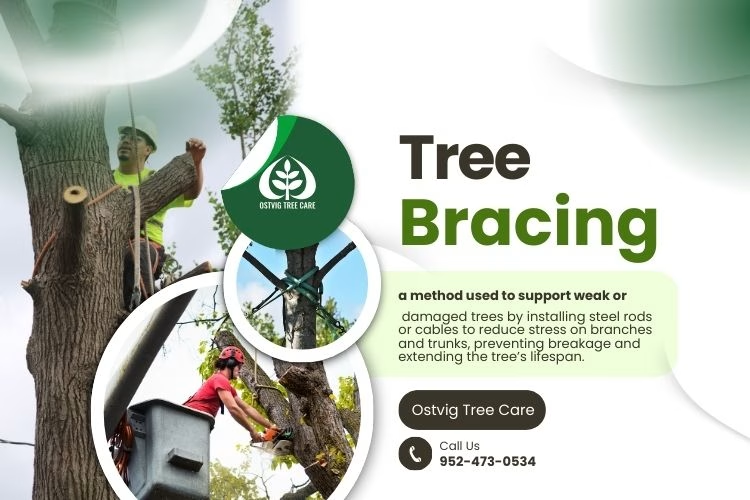
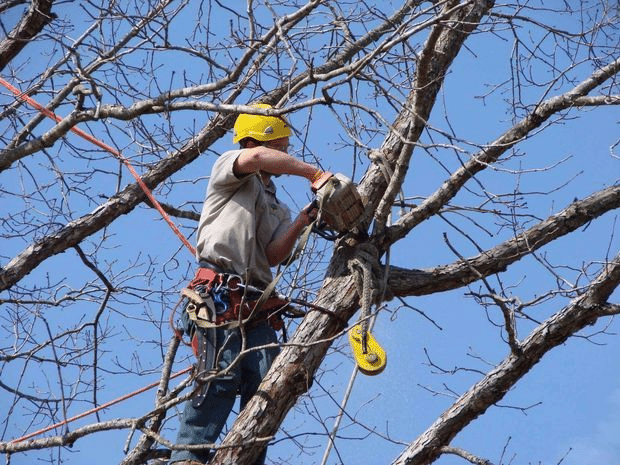
Tree bracing is a method used to support weak or damaged trees by installing steel rods or cables. It helps reduce stress on branches and trunks, preventing breakage and extending the tree’s lifespan. Bracing is commonly used when trees have split limbs, weak branch unions, or structural flaws that make them vulnerable to failure.
Why Do Trees Need Bracing?
Several factors can contribute to a tree needing structural support, including:
- Weak Branch Unions: Some trees develop V-shaped connections between branches, making them prone to splitting under pressure.
- Storm Damage: High winds, heavy snow, or ice can cause branches to crack or weaken over time.
- Heavy Canopy Growth: Trees with an unbalanced or overly dense canopy may struggle to support their own weight.
- Multiple Trunks (Codominant Stems): When a tree has two or more trunks growing from the same base, it increases the risk of splitting.
Types of Tree Bracing
There are two primary methods used in tree bracing:
1. Cabling
Cabling involves attaching flexible steel cables between branches to limit excessive movement. This method helps distribute weight more evenly and prevents branches from breaking during storms or high winds. Cables are typically installed high in the canopy to reinforce major limbs without restricting natural growth.
2. Bracing
Bracing uses rigid steel rods that are inserted through weak branch unions or cracked sections of the tree. This technique provides internal reinforcement, reducing the risk of further splitting or failure. Bracing is often combined with cabling for maximum support.
Benefits of Tree Bracing
- Prevents Damage & Breakage: Reduces the risk of limbs snapping and causing property damage or injury.
- Extends Tree Lifespan: Supports trees with structural weaknesses, allowing them to thrive instead of being removed.
- Enhances Safety: Protects people, pets, and structures from falling branches.
- Maintains Aesthetics: Helps preserve the tree’s natural shape and beauty.
When to Call a Professional
Tree bracing should always be performed by certified arborists to ensure proper installation and effectiveness. A professional tree care company, like Ostvig Tree Care, can assess the health of your trees and recommend the best bracing solutions to keep them strong and stable.
If you have concerns about a weak or damaged tree on your property, don’t wait until it becomes a safety risk. Contact an expert today to secure your tree’s future!
Need a tree assessment? Get in touch with Ostvig Tree Care for expert advice and professional tree bracing services.
Categories

Jim Ostvig
Few people know Minnesota trees like Jim Ostvig. As an ISA Certified Arborist and former owner of Ostvig Tree Care, he has built a career around providing practical, science-based recommendations that put the long-term health of trees first.
Related Posts
Jim Ostvig | August 14, 2026 | Tree Care Tips
Plant Health Care Programs: What’s Included & Why You Should Enroll
Plant health care keeps trees healthy for years. Discover what's included in a PHC program, why they save money compared to removal, and how to get started.
Jim Ostvig | August 14, 2026 | Tree Care Tips
Best Time to Prune Trees in Minnesota (And When to Avoid)
Discover the best seasons for tree pruning in Minnesota. Learn why winter is best for most trees, plus species-specific exceptions and disease risks to avoid.
Jim Ostvig | August 14, 2026 | Tree Pests and Diseases
Oak Wilt Prevention: Minnesota’s Year-Round Seasonal Guide
Worried about oak wilt? Learn when it spreads, how to recognize symptoms, and the best times to prune, treat, and protect Lake Minnetonka oak trees.
Have a Question We Haven't Covered?
Our ISA Certified Arborists are always happy to help. Reach out for a free consultation, or explore more articles in the Learning Center.