
Tree and Shrub Inventories
Fall and winter are perfect times for arborists to update and create tree and shrub inventories for client properties. Before the snow falls and temperatures drop below zero, it’s an ideal time to visit properties…

4.7 OUT OF 5 STARS
Trusted by homeowners
across the twin cities
Fall and winter are perfect times for arborists to update and create tree and shrub inventories for client properties. Before the snow falls and temperatures drop below zero, it’s an ideal time to visit properties and examine tree structural issues.
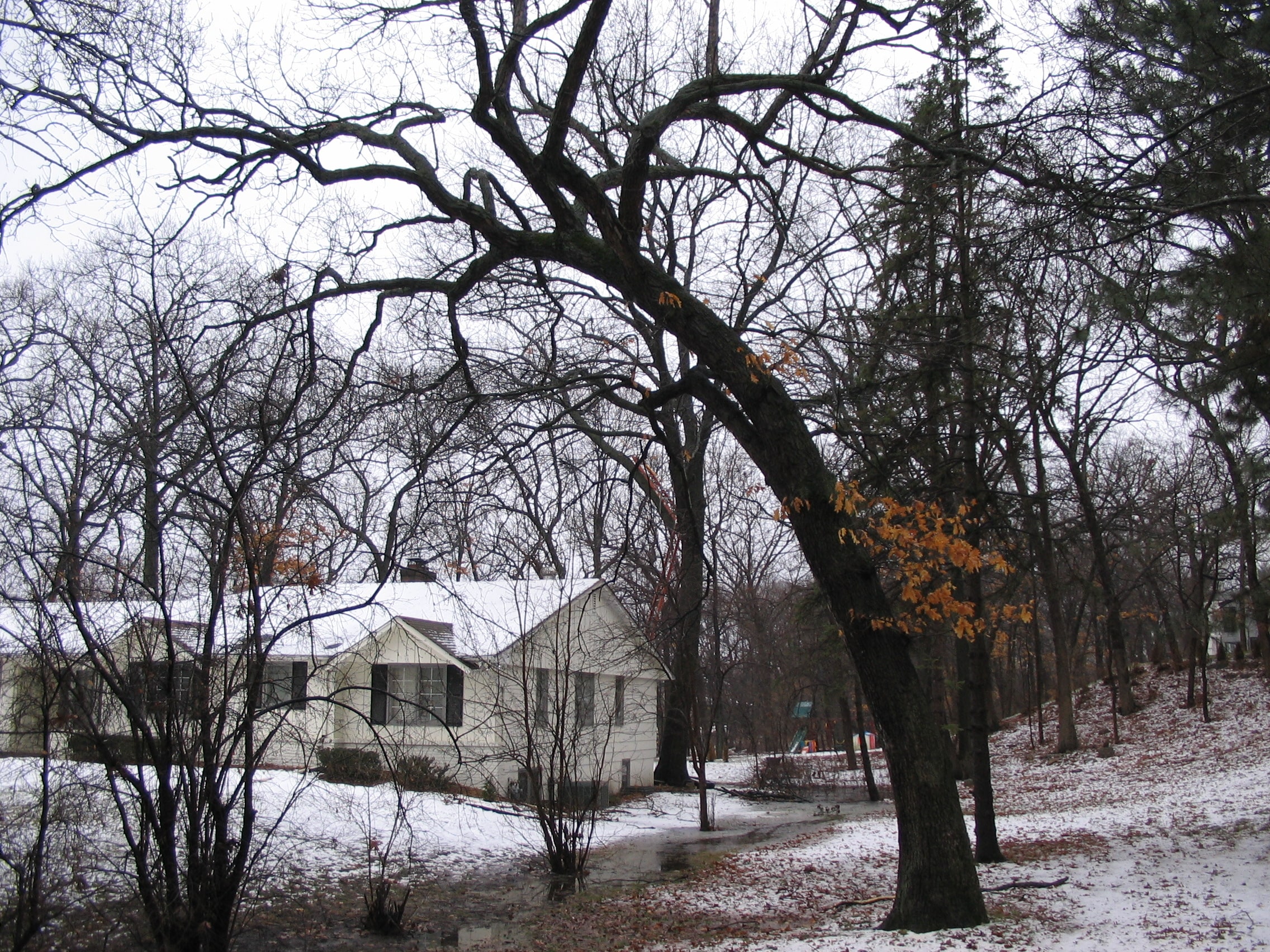
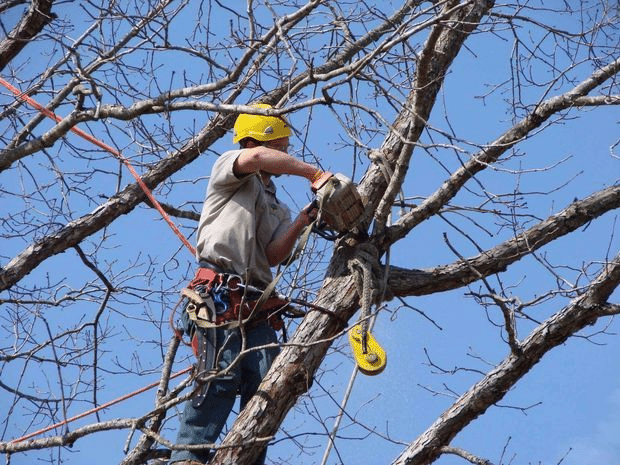
Without the leaves on deciduous trees, branch structure can be examined. Issues with branch growth habits can also be inspected such as rubbing branches, shading of primary limbs, v-crotches which can cause included bark and co-dominant branching (Figure 1). It is also easier to see canopy issues with tree and building conflicts. Remediation of these structural issues with therapeutic pruning can occur in the winter months (Figure 2).

Figure 1

Figure -2
Since the trees are dormant, so are their pests. While pruning oaks and elms in the summer is not recommended due the potential for beetle transfer of oak wilt fungal spores and the spores of Dutch elm disease, it is not an issue with winter pruning. By the time the beetles become active in the spring, the wounds have lost their attractiveness.
Besides structural issues, inventories can help arborists identify trees that are in decline. By examining the terminal branches of the trees, growth can be observed on most trees back over the last five previous years (Figure 3). If growth is reduced significantly in one season it suggests that the trees responded to an independent stress event such as root damage from sidewalk repairs or an insect or pathogen attack that only occurred once. If the growth rate continues to decrease over several years and not recover, then a continuing problem is stressing the trees.

Figure 3
The continuing stress events are the ones that are of concern, because the trees may not be able to recover. Once the continuing branch growth is observed, additional investigation is warranted on the tree. Again, at this time of year, without a snow pack to contend with, arborists can determine what the chronic stress issues might be causing the symptoms. Chronic Issues such as deep planting, stem girdling roots, compacted soils and root diseases such as Armillaria can be easily diagnosed. As long as the soil hasn’t frozen, remediation efforts for these conditions can continue into the winter and will help the trees recover the following spring. If the ground is frozen, the remediation can be started in the spring.
Another aspect of an inventory is the knowledge of the tree species on the property. By knowing the species, we automatically know what species specific problems to look for in the spring and summer. This can lend to developing effective treatment protocols for early spring diseases or insects that require well timed treatment applications. Often in the spring we don’t notice the disease or insect problem until it is too late for management efforts to be effective. By doing a fall or winter survey we are ahead of the game and have a better opportunity to manage the early spring disease and insects effectively.
Best of all, with an inventory that includes a map, we can follow the growth of all the trees on the property and track the management efforts that go into maintaining the trees. With a record of plant growth, health and treatment applications we have a better way of predicting what the trees will need and can prevent many of the problems before they manifest themselves on the property.
A basic inventory can be done with a hand drawn map and a list of species, size and problems. Intermediate inventories can be created with off the shelf computer software, on-line maps and simple spreadsheets (Figure 4). For the big projects, inventories can be developed using GPS navigation and GIS technologies to identify trees and tree issues as one layer on a multilayer mapping platform (Figure 5).

Figure 4

Figure 5
Whatever depth of technology you would like to use, the arborists at Ostvig Tree Care are prepared to use their expertise to create an inventory that meets your needs for years and decades to come. Ostvig Tree Care is obliged, with client permission, to share inventories with other maintenance partners on larger properties to assist in collaborative care of the plants on clients’ landscapes.
Dr. John Lloyd, Ph.D. contributes to the Ostvig Tree Care website blog. He is also available through Ostvig Tree Care to answer questions on tree care and plant health issues. Feel free to send any questions you may have about this blog or any other tree issues to info@ostvigtree.com.
Categories
Jim Ostvig
Few people know Minnesota trees like Jim Ostvig. As an ISA Certified Arborist and former owner of Ostvig Tree Care, he has built a career around providing practical, science-based recommendations that put the long-term health of trees first.
Related Posts
Jim Ostvig | August 14, 2026 | Tree Care Tips
Plant Health Care Programs: What’s Included & Why You Should Enroll
Plant health care keeps trees healthy for years. Discover what's included in a PHC program, why they save money compared to removal, and how to get started.
Jim Ostvig | August 14, 2026 | Tree Care Tips
Best Time to Prune Trees in Minnesota (And When to Avoid)
Discover the best seasons for tree pruning in Minnesota. Learn why winter is best for most trees, plus species-specific exceptions and disease risks to avoid.
Jim Ostvig | August 14, 2026 | Tree Pests and Diseases
Oak Wilt Prevention: Minnesota’s Year-Round Seasonal Guide
Worried about oak wilt? Learn when it spreads, how to recognize symptoms, and the best times to prune, treat, and protect Lake Minnetonka oak trees.
Have a Question We Haven't Covered?
Our ISA Certified Arborists are always happy to help. Reach out for a free consultation, or explore more articles in the Learning Center.