
Learn About Bur Oak Blight
While trees are an overall low-maintenance addition to your landscape, tree disease is an unfortunate and common occurrence. Bur Oak Blight (BOB), discovered by Dr. Tom Harrington of Iowa State University, has recently been reported…

4.7 OUT OF 5 STARS
Trusted by homeowners
across the twin cities
While trees are an overall low-maintenance addition to your landscape, tree disease is an unfortunate and common occurrence. Bur Oak Blight (BOB), discovered by Dr. Tom Harrington of Iowa State University, has recently been reported in Ramsey and Hennepin counties. Cases of BOB have been found in Wayzata, Minnesota, among other cities. It is important to know what BOB is, how to spot it and how to manage it.
What is Bur Oak Blight?
Bur Oak Blight (BOB) is a fungus that affects an Oak’s leaves. It was originally thought to be caused by the fungus Tubakia dryina, but researchers learned it was caused by a different, unnamed species of Tubakia. BOB is common throughout Iowa, central Minnesota, eastern Nebraska and southwestern Wisconsin. In addition to Ramsey and Hennepin counties, BOB has also been spotted in Mille Lacs and Sherburne counties.
How do I spot it?
Oak trees infected with BOB will have large, brown blemishes on the leaves, as well as brown veins. The result is an overall wilted appearance. In less common cases, there may only be small blemishes on the leaves. During the summer black blisters can form along the veins. These can be found with the assistance of a 10x magnifying lens. The symptoms of BOB are most often be spotted on the bottom half of the tree’s crown, though as the fungus goes untreated this can spread through the top half of the tree. One distinguishing trait of BOB is that some of the infected leaves will stay on the branches throughout winter, while the leaves of healthy bur oak trees are all dropped before winter.
How do I manage it?
As the severity of the blight increases, the likelihood of the death of the tree increases as well. The decaying health of the tree might also be worsened by secondary illnesses including Armillaria root rot and Two-lined Chestnut borer. While symptoms of BOB appear in late July or August, it should be treated in late May or early June to reduce symptoms for the fall and following year. Unfortunately, removing the fallen, infected leaves is not an effective way to treat BOB, as the fungus can live through the winter. Testing has shown that the most effective solution is fungicide treatments. Ostvig Tree Care offers a range of disease treatments. Our Certified Arborists are available to keep your trees healthy.
Including trees in your yard is an investment. Treating them for illnesses is a simple way to ensure them a long life of strength and beauty. If you suspect your trees have been struck with a disease or infestation, contact us today.

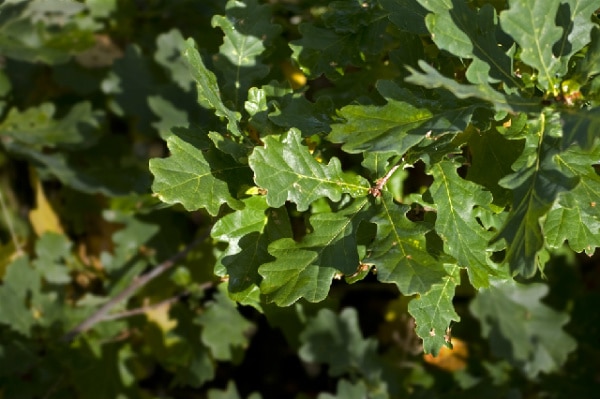
Healthy Oak Leaves
Categories
Jim Ostvig
Few people know Minnesota trees like Jim Ostvig. As an ISA Certified Arborist and former owner of Ostvig Tree Care, he has built a career around providing practical, science-based recommendations that put the long-term health of trees first.
Related Posts
Jim Ostvig | August 14, 2026 | Tree Care Tips
Plant Health Care Programs: What’s Included & Why You Should Enroll
Plant health care keeps trees healthy for years. Discover what's included in a PHC program, why they save money compared to removal, and how to get started.
Jim Ostvig | August 14, 2026 | Tree Care Tips
Best Time to Prune Trees in Minnesota (And When to Avoid)
Discover the best seasons for tree pruning in Minnesota. Learn why winter is best for most trees, plus species-specific exceptions and disease risks to avoid.
Jim Ostvig | August 14, 2026 | Tree Pests and Diseases
Oak Wilt Prevention: Minnesota’s Year-Round Seasonal Guide
Worried about oak wilt? Learn when it spreads, how to recognize symptoms, and the best times to prune, treat, and protect Lake Minnetonka oak trees.
Have a Question We Haven't Covered?
Our ISA Certified Arborists are always happy to help. Reach out for a free consultation, or explore more articles in the Learning Center.