
How to Prevent Ice Damage: The Importance of Tree Pruning & Selection
We have yet to see the worst of winter in Minnesota—even after hitting 20 degrees below zero temperatures. As we get closer to January, we will more often be putting our hands at ten and…

4.7 OUT OF 5 STARS
Trusted by homeowners
across the twin cities
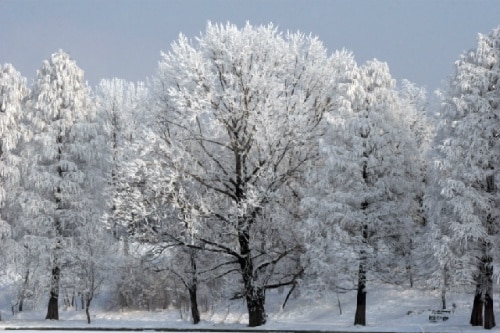
We have yet to see the worst of winter in Minnesota—even after hitting 20 degrees below zero temperatures. As we get closer to January, we will more often be putting our hands at ten and two, hoping that we don’t hit a patch of black ice. That ice we’re watching out for is the same culprit doing damage to our trees each year.
The Dangers of Ice-Covered Branches
Even healthy trees can struggle to support the weight of ice. When ice forms, the weight of a branch can increase by as much as 30 times its normal weight. As a result, breakage becomes more likely and can cause damage to property or power lines. What are some of the ways to prevent damage? The answer is tree pruning and selecting the right trees.
Tree Pruning
We talk about it a lot here at Ostvig Tree Care, but tree pruning is one of the best ways to prevent ice damage and the resulting implications. When ice forms, stressed areas such as decaying or dead branches are further weakened. The same goes for trees with imbalanced or large crowns. To ensure that weak branches or imbalanced crowns don’t become a problem, your trees need to be regularly pruned to maintain the health, and therefore strength, of the tree.
Selecting the Right Trees
Conifers are often a safe bet when selecting a tree by its resistance to ice. They often have strong branch attachments and thick, coarse branches that can support the weight. Below you will find a sampling of tree species, sorted by resistance to ice damage.
Low Resistance
- American Elm
- American Linden
- Pin Oak
- Silver Maple
Medium Resistance
- Bur Oak
- Northern Red Oak
- Red Maple
- Sycamore
High Resistance
- Black Walnut
- Ginkgo
- Silver Linden
- White Oak
Additional Effects of Freezing Temperatures
Another danger that comes with the cold months is tree damage caused by freezing and thawing. On winter days when the sun is out, soil can expand from the resulting warmth but once the sun is no longer visible, the soil will shrink. This creates shifts in the soil which disrupts the root growth in small or newly-planted trees and shrubs. Similarly, cracks in a tree’s bark can occur with freezing and thawing. These cracks and introduce pests and moisture, which could then freeze, burst and kill cells within the tree. This occurs often in small to medium sized Sugar Maples, Autumn Blaze and Red Maples, due to a thin bark layer and high circulatory activity in the Acer species. Ostvig Tree Care provides provides trunk/tree wrapping that helps prevent such major fluctuations in bark and cambium temperature.
Concerned about an ice-covered tree causing property damage? Learn more about caring for your property after severe weather (and insurance coverage in Minnesota) here. If you have additional questions or concerns, feel free to contact us.

Categories
Jim Ostvig
Few people know Minnesota trees like Jim Ostvig. As an ISA Certified Arborist and former owner of Ostvig Tree Care, he has built a career around providing practical, science-based recommendations that put the long-term health of trees first.
Related Posts
Jim Ostvig | August 14, 2026 | Tree Care Tips
Plant Health Care Programs: What’s Included & Why You Should Enroll
Plant health care keeps trees healthy for years. Discover what's included in a PHC program, why they save money compared to removal, and how to get started.
Jim Ostvig | August 14, 2026 | Tree Care Tips
Best Time to Prune Trees in Minnesota (And When to Avoid)
Discover the best seasons for tree pruning in Minnesota. Learn why winter is best for most trees, plus species-specific exceptions and disease risks to avoid.
Jim Ostvig | August 14, 2026 | Tree Pests and Diseases
Oak Wilt Prevention: Minnesota’s Year-Round Seasonal Guide
Worried about oak wilt? Learn when it spreads, how to recognize symptoms, and the best times to prune, treat, and protect Lake Minnetonka oak trees.
Have a Question We Haven't Covered?
Our ISA Certified Arborists are always happy to help. Reach out for a free consultation, or explore more articles in the Learning Center.