
How Do We Start A Tree Planting Activity
Tree planting key points. Plant trees the right way.

4.7 OUT OF 5 STARS
Trusted by homeowners
across the twin cities
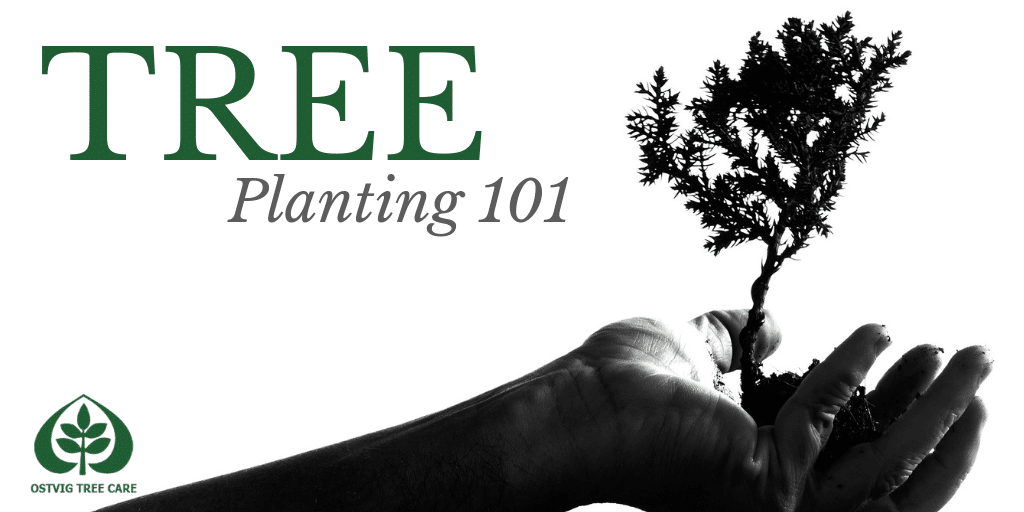
[vc_row][vc_column][dt_fancy_title title=”Tree Planting 101″ title_size=”h1″ title_color=”title”][vc_empty_space][vc_column_text]Minnesotans weren’t sure if it would happen or not, but it finally did. The snow is starting to melt and signs of spring are appearing. Once the ground is completely clear, you might want to add a tree or two to your property. We’ve put together some key points that are often overlooked when people are planting trees so that you can do it the right way.[/vc_column_text][vc_empty_space][info_list icon_bg_color=”#81d742″ font_size_icon=”24″ eg_br_style=”dotted” eg_br_width=”1″ connector_animation=”fadeInUp”][info_list_item list_title=”Picking the Site” heading_tag=”h2″ list_icon=”fas fa-tree” desc_font_size=”desktop:15px;” desc_font_line_height=”desktop:26px;” title_font_size=”desktop:34px;” title_font_line_height=”desktop:74px;”]People often make the mistake of buying a tree then placing it in a spot in the yard before thinking about the environment around the tree. Before you even buy the tree, you should consider any obstacles around the spot you have in mind. For example, if you want to plant an oak tree, you should be aware of where the power lines and sidewalks are in relation to the site. You also need to think about how much sunlight the tree will get and how much water it will receive.[/info_list_item][info_list_item list_title=”Picking the Plant” heading_tag=”h2″ list_icon=”fas fa-tree” desc_font_size=”desktop:15px;” desc_font_line_height=”desktop:26px;” title_font_size=”desktop:34px;” title_font_line_height=”desktop:74px;”]Now that you’ve got your site picked out, you can keep these details in mind while you’re making your selection. If you don’t know a lot about the trees you like, be sure to ask someone at the nursery or store you’re purchasing from—it’s what they’re there for. Be sure to ask about the size of the fully grown tree. Sure, the sapling might fit now, but what about in 10 or 20 years down the road? You should also know whether or not the soil and climate in your area are compatible with the health of the tree. If you’re planting in Minnesota, you can find a listing of compatible trees on the Minnesota Department of Natural Resources website.[/info_list_item][info_list_item list_title=”Digging the Hole” heading_tag=”h2″ list_icon=”fas fa-tree” desc_font_size=”desktop:15px;” desc_font_line_height=”desktop:26px;” title_font_size=”desktop:34px;” title_font_line_height=”desktop:74px;”]Before you dig, you need to call 811 to find out if there are any buried utility lines are in the area. If you know the area is safe you can begin digging the hole, which should be roughly 1-2 feet wider than the root system size. This is to allow room for the roots to grow. The depth of the hole is often a concern for those who aren’t seasoned planters. If you purchase your new tree from a nursery, try to keep an eye on how deep the tree was planted before it was removed. If you’re not sure, about one-third of the root ball should be above ground.[/info_list_item][info_list_item list_title=”Finishing the Planting” heading_tag=”h2″ list_icon=”fas fa-tree” desc_font_size=”desktop:15px;” desc_font_line_height=”desktop:26px;” title_font_size=”desktop:34px;” title_font_line_height=”desktop:74px;”]You can now place the roots into the hole and begin to add soil. If you notice any sick or damaged roots, trim them so the tree can start off a healthy new life. When filling the hole, avoid letting anything other than soil enter the hole, such as rocks or clay, as this can affect circulation. Tap the soil occasionally to let out any air pockets that may form. Watering the soil can also alleviate air pockets.[/info_list_item][/info_list][vc_empty_space][vc_column_text]
Want to plant a shade tree but aren’t sure which one to pick? You’ll find information on oaks, maples, lindens, and elms in our post on planting Shady Trees.
[/vc_column_text][vc_empty_space][dt_blog_carousel post_type=”posts” dis_posts_total=”1″ posts_offset=”0″ image_sizing=”proportional” slides_on_wide_desk=”1″ slides_on_desk=”1″ slides_on_lapt=”1″ slides_on_h_tabs=”1″ slides_on_v_tabs=”1″ arrow_bg_width=”36x” arrow_border_width=”0px” r_arrow_icon_paddings=”0px 0px 0px 0px” r_arrow_v_offset=”0px” l_arrow_icon_paddings=”0px 0px 0px 0px” l_arrow_v_offset=”0px” posts=”3973″][/vc_column][/vc_row]
Categories

Jim Ostvig
Few people know Minnesota trees like Jim Ostvig. As an ISA Certified Arborist and former owner of Ostvig Tree Care, he has built a career around providing practical, science-based recommendations that put the long-term health of trees first.
Related Posts
Jim Ostvig | August 14, 2026 | Tree Care Tips
Plant Health Care Programs: What’s Included & Why You Should Enroll
Plant health care keeps trees healthy for years. Discover what's included in a PHC program, why they save money compared to removal, and how to get started.
Jim Ostvig | August 14, 2026 | Tree Care Tips
Best Time to Prune Trees in Minnesota (And When to Avoid)
Discover the best seasons for tree pruning in Minnesota. Learn why winter is best for most trees, plus species-specific exceptions and disease risks to avoid.
Jim Ostvig | August 14, 2026 | Tree Pests and Diseases
Oak Wilt Prevention: Minnesota’s Year-Round Seasonal Guide
Worried about oak wilt? Learn when it spreads, how to recognize symptoms, and the best times to prune, treat, and protect Lake Minnetonka oak trees.
Have a Question We Haven't Covered?
Our ISA Certified Arborists are always happy to help. Reach out for a free consultation, or explore more articles in the Learning Center.