
Five Reasons to Remove a Tree
How can you tell whether or not to remove a tree from your property? We encourage maintaining the foliage on your landscape, but tree removal is sometimes necessary for the safety of your family and…

4.7 OUT OF 5 STARS
Trusted by homeowners
across the twin cities
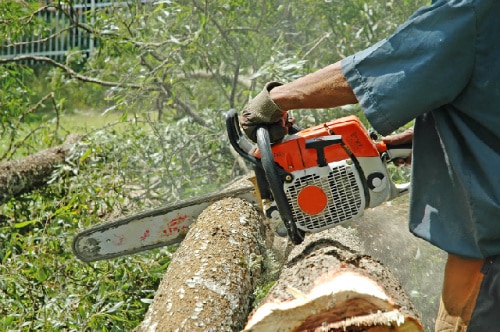
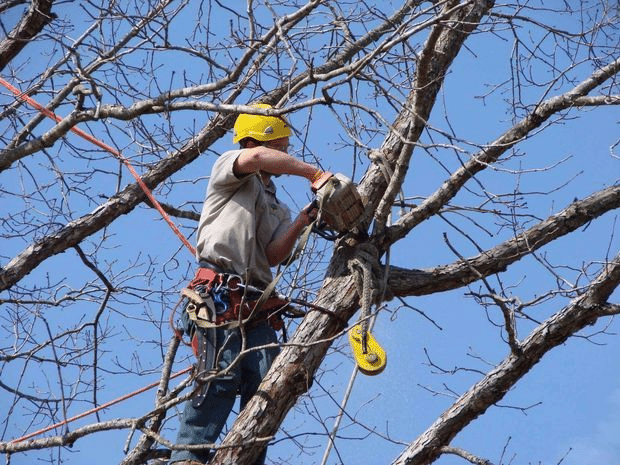
How can you tell whether or not to remove a tree from your property? We encourage maintaining the foliage on your landscape, but tree removal is sometimes necessary for the safety of your family and your property.
Winter can be an ideal time to remove trees because there is better access to areas around the tree and increased visibility. The hard soil limits the impact on the ground surrounding the tree. Plus, it gives you a fresh palate for your spring landscaping plans.
Dead or Dying Tree
This may be the most obvious in a list of when to remove a tree from your landscape. However, you might be surprised by the number of trees that are dead but are still standing. If a tree is dead or dying its wood is weakened, making it more likely to cause damage. When the health of a tree has declined beyond any chance for repair, it is best to remove it.
Severely Diseased or Infested
Emerald Ash Borer and Bur Oak Blight have both been reported in Ramsey and Hennepin counties. Diseases and infestations such as these are difficult to treat and can be fatal. If your trees have experienced these issues, you may want to book a consultation with a certified arborist to determine the health of the tree. When treated early the health of the tree can be revived, but it may be too late to save the tree.
Pose a Threat
Trees that cause a threat to their surroundings, below and above ground, need to be removed. Canopies that hang over property or near power lines can often be pruned but if there is significant overhang, removal may be necessary. The growth of such trees can often be difficult to manage and given the right (or wrong) conditions, can cause significant property damage. Similarly, roots can interfere with driveways, building foundations, sidewalks, and underground utilities. Removing these trees could prevent significant costs down the road.
Storm Damage
Severe weather is known to leave its mark—especially on trees. If a tree on your property has been significantly damaged by a storm, whether it’s a large split or uprooting, you may want to consider removing the tree. Contact a certified arborist, such as Ostvig Tree Care, if the tree removal requires working around other storm damage (such as power lines that are near or touching the tree). Certified arborists are trained and knowledgeable about best practices around tree removal, especially in these conditions.
Structural Problems
Structural damage is sometimes visible, but other times it takes a trained eye to spot. If your tree is leaning, even if it seems slight, your tree could pose a threat to the surrounding property. Structural problems in a tree can be made worse during storms or if it is disease or experiences an infestation. When a tree isn’t structurally sound or weakened, the tree may not be able to support its own weight and could collapse.
Before you make the decision to remove a tree, check for any laws around removing a tree in your area. Removing a tree without contacting officials in your area can sometimes lead to fines. You should also work with a certified arborist to see if it’s necessary to remove the tree. Ostvig Tree Care provides consulting and tree removal services.
Want to remove a tree that’s blocking your view? Read this first.

Categories

Jim Ostvig
Few people know Minnesota trees like Jim Ostvig. As an ISA Certified Arborist and former owner of Ostvig Tree Care, he has built a career around providing practical, science-based recommendations that put the long-term health of trees first.
Related Posts
Jim Ostvig | August 14, 2026 | Tree Care Tips
Plant Health Care Programs: What’s Included & Why You Should Enroll
Plant health care keeps trees healthy for years. Discover what's included in a PHC program, why they save money compared to removal, and how to get started.
Jim Ostvig | August 14, 2026 | Tree Care Tips
Best Time to Prune Trees in Minnesota (And When to Avoid)
Discover the best seasons for tree pruning in Minnesota. Learn why winter is best for most trees, plus species-specific exceptions and disease risks to avoid.
Jim Ostvig | August 14, 2026 | Tree Pests and Diseases
Oak Wilt Prevention: Minnesota’s Year-Round Seasonal Guide
Worried about oak wilt? Learn when it spreads, how to recognize symptoms, and the best times to prune, treat, and protect Lake Minnetonka oak trees.
Have a Question We Haven't Covered?
Our ISA Certified Arborists are always happy to help. Reach out for a free consultation, or explore more articles in the Learning Center.