
Colorful Spring Trees
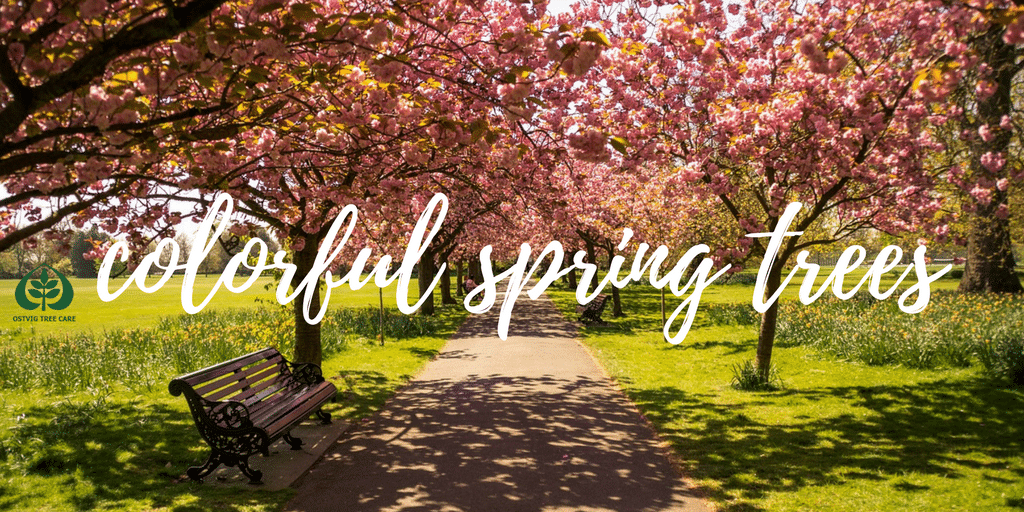
It is spring time again and you will now see Minnesota’s trees, shrubs and bushes blooming and adding color to what has been a dull winter landscape. We’ve put together a list of some of
4.7 OUT OF 5 STARS
Trusted by homeowners
across the twin cities
[vc_row][vc_column][vc_column_text]It is spring time again and you will now see Minnesota’s trees, shrubs and bushes blooming and adding color to what has been a dull winter landscape.
After remaining dormant through the winter, trees develop their bright green leaves, indicating the presence of spring and chlorophyll. As trees enter their growing seasons (spring and summer), chlorophyll uses sunlight to produce carbohydrates, which it creates from carbon dioxide and water. In addition to the green leaves that will give life to the tree, their flowers will soon be in bloom.
We’ve put together a list of some of the breeds that can be found in Minnesota and how to spot them by appearance—particularly their flowers.[/vc_column_text][vc_empty_space][dt_fancy_title title=”Chokecherries ” title_align=”left” title_size=”h2″ title_color=”title”][vc_empty_space][vc_row_inner][vc_column_inner width=”2/3″][vc_column_text]Chokecherries produce small white flower clusters in late May. This shrub can grow anywhere between 20 to 30 feet in height and have a 15 to 25 foot spread. You can also spot them by their round canopies and smooth, gray bark. As their name indicates, they also produce fruit which is often bright to dark red and is commonly used in jams and jellies. Although they’re tolerant to shade, sun is needed to produce a hearty crop.[/vc_column_text][/vc_column_inner][vc_column_inner width=”1/3″][vc_column_text][/vc_column_text][/vc_column_inner][/vc_row_inner][vc_empty_space][dt_fancy_title title=”Eastern Redbuds” title_align=”left” title_size=”h2″ title_color=”title”][vc_empty_space][vc_row_inner][vc_column_inner width=”1/3″][vc_column_text]

[/vc_column_text][/vc_column_inner][vc_column_inner width=”2/3″][vc_column_text]Eastern Redbuds create vibrant pink blossoms that begin to appear in April. They offer brilliant foliage throughout the year with leaf colors that range from red-brown to dark green to yellow. They typically grow between 20 and 30 feet in height with a round canopy and a 35 foot spread. If you are thinking of adding an eastern redbud to your property, shoot for an area that offers full sun or light shade.[/vc_column_text][/vc_column_inner][/vc_row_inner][vc_empty_space][dt_fancy_title title=”Red Maples” title_align=”left” title_size=”h2″ title_color=”title”][vc_empty_space][vc_row_inner][vc_column_inner width=”2/3″][vc_column_text]Red Maples produce red flowers (shocking, we know) with five small petals that often appear at the branch tips in April to May. True to name and form, they also have robust red color in the fall. On average, they grow to about 50 feet in height and have a 39 foot spread. They grow somewhat fast and are at their full size by 10 years of age.[/vc_column_text][/vc_column_inner][vc_column_inner width=”1/3″][vc_column_text]
[/vc_column_text][/vc_column_inner][/vc_row_inner][vc_empty_space][dt_fancy_title title=”Star Magnolias” title_align=”left” title_size=”h2″ title_color=”title”][vc_empty_space][vc_row_inner][vc_column_inner width=”1/3″][vc_column_text]
[/vc_column_text][/vc_column_inner][vc_column_inner width=”2/3″][vc_column_text]Star Magnolias have large, aromatic white flowers that are offset by their dark green leaves (although the leaves will appear after the flowers begin to bloom). A hardy variety, the star magnolia grows 15 to 20 feet in height and has an oval spread of 10 to 15 feet. They are mostly planted to stand on their own, benefiting the shrub by offering full sun which lends to producing the finest flowers.[/vc_column_text][/vc_column_inner][/vc_row_inner][vc_empty_space][dt_fancy_title title=”Crabapples ” title_align=”left” title_size=”h2″ title_color=”title”][vc_empty_space][vc_row_inner][vc_column_inner width=”2/3″][vc_column_text]Crabapples are a very common Minnesota shrub and come in more than 100 varieties. Their flowers can come in pink, red or white and have five petals. On average, they grow up to 25 feet tall and can grow 20 feet wide. They are a great option if you are looking for an ornamental tree that is fairly low maintenance.[/vc_column_text][/vc_column_inner][vc_column_inner width=”1/3″][vc_column_text]
[/vc_column_text][/vc_column_inner][/vc_row_inner][vc_empty_space][vc_column_text]If you want to not only add beauty to your landscape, but also a sign that spring is here, we highly recommend that you plant a flowering tree. You can learn more about these trees, and several others, by reading our blog about including ornamental and unusual trees in your landscape.[/vc_column_text][/vc_column][/vc_row]
Categories
Jim Ostvig
Few people know Minnesota trees like Jim Ostvig. As an ISA Certified Arborist and former owner of Ostvig Tree Care, he has built a career around providing practical, science-based recommendations that put the long-term health of trees first.
Related Posts
Jim Ostvig | August 14, 2026 | Tree Care Tips
Plant Health Care Programs: What’s Included & Why You Should Enroll
Plant health care keeps trees healthy for years. Discover what's included in a PHC program, why they save money compared to removal, and how to get started.
Jim Ostvig | August 14, 2026 | Tree Care Tips
Best Time to Prune Trees in Minnesota (And When to Avoid)
Discover the best seasons for tree pruning in Minnesota. Learn why winter is best for most trees, plus species-specific exceptions and disease risks to avoid.
Jim Ostvig | August 14, 2026 | Tree Pests and Diseases
Oak Wilt Prevention: Minnesota’s Year-Round Seasonal Guide
Worried about oak wilt? Learn when it spreads, how to recognize symptoms, and the best times to prune, treat, and protect Lake Minnetonka oak trees.
Have a Question We Haven't Covered?
Our ISA Certified Arborists are always happy to help. Reach out for a free consultation, or explore more articles in the Learning Center.