
Avoid These Common Tree Pruning Mistakes
If pruning is an essential part of caring for a tree, then why are so many of us doing it wrong? We uncover five of the most common tree pruning mistakes. Avoid making these and…

4.7 OUT OF 5 STARS
Trusted by homeowners
across the twin cities
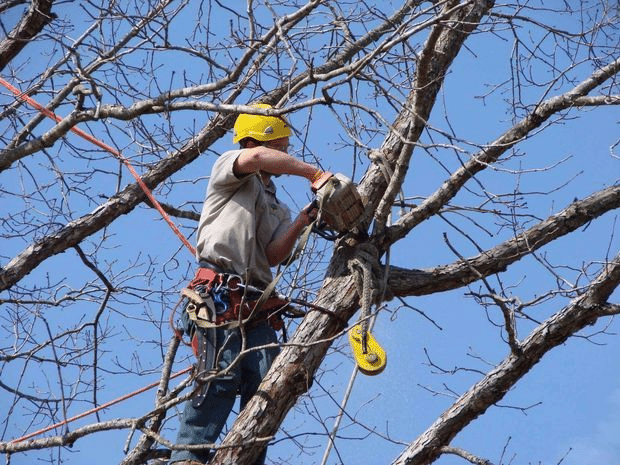
If pruning is an essential part of caring for a tree, then why are so many of us doing it wrong? We uncover five of the most common tree pruning mistakes. Avoid making these and get ready to reap the benefit: beautiful, healthy trees.
Topping
Topping is the act of removing large branches at the top of a tree, leaving only small branches to act as the leader. This can cause damage to weaker limbs and splitting, which puts the tree’s health at risk. If a branch is diseased or dead, it’s best to remove the branch completely, but avoid topping your trees at all costs. If topping is your solution to a tree that’s in the way because of its size, try pruning to accommodate the object (such as a power line) or thin out the canopy instead.
Pruning too much
While it may seem logical to prune one side of the tree until you’re satisfied with its size and balance, your goal should be to trim no more than 20 percent of the tree. Remember, your tree is a living thing and each cut is an open wound that is vulnerable to disease. Prune around the entire tree to maintain balance without removing too many healthy branches.
Not pruning enough (or not at all)
If gardening or landscaping aren’t hobbies you enjoy, you may prune your trees very seldom, if at all. But tree pruning isn’t just for aesthetics – it also helps prevent the spread of disease and property damage caused by dead limbs during severe weather. Inspect your tree regularly to identify branches that may need to be removed. (If you’re still not sold, click here to read about the benefits of tree pruning.)
Changing the structure
When pruning your tree, you need to respect the natural structure of the tree. Topping or removing the branches closest to the bottom of the tree can be harmful to the tree’s health and growth. Trimming buds from fruit trees or limbs from weeping trees take away the tree’s beauty. It’s usually best to prune deciduous (leafy) and coniferous (cone-shaped) trees by thinning out weak or crowded branches.
Using old tools or doing it yourself
How would you describe the condition of your pruner or lopper? If it’s dull or rusted, consider replacing it. The clean cut you want to achieve when pruning can’t be done by a dull blade (and an uneven cut can increase a tree’s risk of disease or infestation). Your tools should also be clean before you prune to help prevent the spread of disease. DIY pruning may be preferable for you, as long as the conditions are safe. Call a certified arborist, like Ostvig Tree Care, if your pruning needs are close to power lines, above property or require a ladder.
Categories

Jim Ostvig
Few people know Minnesota trees like Jim Ostvig. As an ISA Certified Arborist and former owner of Ostvig Tree Care, he has built a career around providing practical, science-based recommendations that put the long-term health of trees first.
Related Posts

Jim Ostvig | August 14, 2026 | Tree Care Tips
Plant Health Care Programs: What’s Included & Why You Should Enroll
Plant health care keeps trees healthy for years. Discover what's included in a PHC program, why they save money compared to removal, and how to get started.
Jim Ostvig | August 14, 2026 | Tree Care Tips
Best Time to Prune Trees in Minnesota (And When to Avoid)
Discover the best seasons for tree pruning in Minnesota. Learn why winter is best for most trees, plus species-specific exceptions and disease risks to avoid.
Jim Ostvig | August 14, 2026 | Tree Pests and Diseases
Oak Wilt Prevention: Minnesota’s Year-Round Seasonal Guide
Worried about oak wilt? Learn when it spreads, how to recognize symptoms, and the best times to prune, treat, and protect Lake Minnetonka oak trees.
Have a Question We Haven't Covered?
Our ISA Certified Arborists are always happy to help. Reach out for a free consultation, or explore more articles in the Learning Center.