
All Things Christmas: How to Care For and Buy Trees
With Christmas just around the corner, it’s time to start thinking about your tree (if you haven’t already). Decorating Christmas trees has been a tradition since 1510, but with roughly 350 million trees growing on…

4.7 OUT OF 5 STARS
Trusted by homeowners
across the twin cities
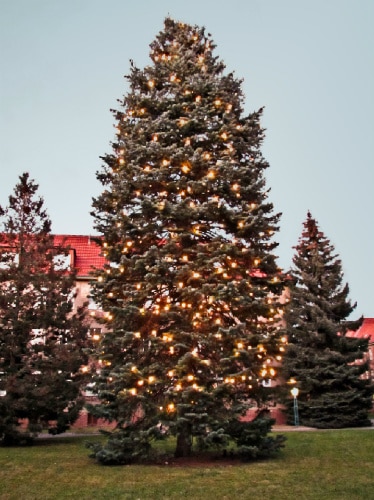
With Christmas just around the corner, it’s time to start thinking about your tree (if you haven’t already). Decorating Christmas trees has been a tradition since 1510, but with roughly 350 million trees growing on 15,000 U.S. tree farms, getting a refresher course on how to care for and buy trees couldn’t hurt. Review these points before and after buying your tree so you can focus on enjoying it with your loved ones.
Before Buying a Christmas Tree
Buy Early You’ll want to purchase your tree sooner rather than later. The earlier you buy your tree, the more likely it will be healthy (and green).
Measure Be sure to measure the height and width of both the space in your home where you plan to put the tree and the tree itself. Buying a tree that is too big (or too small) for the space provided is frustrating, to say the least.
Go Green Find a tree that has little to no brown needles. This is a sign that the tree is dry and less healthy than your greener options.
Know Your Options You have many options when choosing a Christmas tree. Know what they are and which one will fulfill your requirements. Some of the most popular options are:
- Scotch pine – These are the most common in the U.S. (but not the most popular). They retain water well and have 1-3 inch needles.
- Noble fir – You may recognize this tree by its unique blue hue. Its sturdy branches are ideal for hefty ornaments but the needles are only one inch in length, so keep that in mind when considering your decorative standards.
- Virginia pine – If you plan on hanging heavy ornaments, you may also want to consider this option. Popular in the south, the needles are 1.5-3 inches long.
After Buying a Christmas Tree
Fresh Beginnings Unless you cut the tree down yourself, you can’t be sure how long it has been since your tree had fresh water. Cut one inch from the bottom of the tree so it can better absorb the water your provide.
Water Before you begin decorating your tree, place it in a stand that holds one gallon of water. Keeping your tree well watered will keep it looking and feeling healthy.
Light Size As charming and nostalgic as large lights are, using small lights will result in less drying of the needles and branches.
Recycle Before you take down your Christmas tree, check out the recycling options that are available in your community. You can also consider recycling your tree within your own landscape.
Pets? Babies? How to protect your tree and your little ones.
Many holiday safety tips that apply to children apply to pets as well. Keep these points in mind when decorating your tree.
“Fra-gee-lay” Oddly enough, your best bet to avoid breaking fragile ornaments is to hang them closer to the top of the tree and secure them tightly to the branches.
Tinsel Although it’s a beautiful addition to your decorating, avoid using tinsel. It can present a choking hazard and ingesting tinsel can cause serious illness.
Cords Keep light cords out of sight or higher on the tree to avoid chewing.
Now that you know how to care for your indoor Christmas tree, find out how to care for your outdoor trees.

Categories

Jim Ostvig
Few people know Minnesota trees like Jim Ostvig. As an ISA Certified Arborist and former owner of Ostvig Tree Care, he has built a career around providing practical, science-based recommendations that put the long-term health of trees first.
Related Posts
Jim Ostvig | August 14, 2026 | Tree Care Tips
Plant Health Care Programs: What’s Included & Why You Should Enroll
Plant health care keeps trees healthy for years. Discover what's included in a PHC program, why they save money compared to removal, and how to get started.
Jim Ostvig | August 14, 2026 | Tree Care Tips
Best Time to Prune Trees in Minnesota (And When to Avoid)
Discover the best seasons for tree pruning in Minnesota. Learn why winter is best for most trees, plus species-specific exceptions and disease risks to avoid.
Jim Ostvig | August 14, 2026 | Tree Pests and Diseases
Oak Wilt Prevention: Minnesota’s Year-Round Seasonal Guide
Worried about oak wilt? Learn when it spreads, how to recognize symptoms, and the best times to prune, treat, and protect Lake Minnetonka oak trees.
Have a Question We Haven't Covered?
Our ISA Certified Arborists are always happy to help. Reach out for a free consultation, or explore more articles in the Learning Center.