
Studies Link Forestry to Low Crime Rates
While we at Ostvig Tree Care might seem biased on the benefits of planting trees on your property – whether it’s a private or shared space within your community – you’d be hard-pressed to argue…

4.7 OUT OF 5 STARS
Trusted by homeowners
across the twin cities
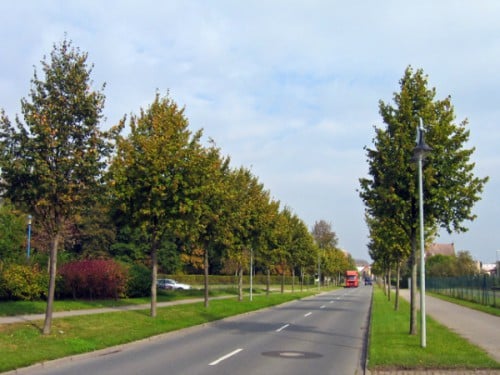
While we at Ostvig Tree Care might seem biased on the benefits of planting trees on your property – whether it’s a private or shared space within your community – you’d be hard-pressed to argue with independent studies that support the fight for foliage. Recent studies in Baltimore and Philadelphia, both published in the journal Landscape and Urban Planning, have linked areas with increased forestry to low crime rates in both urban and rural areas. Below is a summary of the studies and what it means to us in Minnesota.
Baltimore City & County
Researchers from the University of Vermont and USDA Forest Service were able to compare the crime rates and tree canopy of geographical locations throughout the greater Baltimore area to determine their relationship. They found that areas with a 10% increase in tree coverage had a 12% decrease in crime. The study also cites suggestions that having vegetation in neighborhood areas encourages the community to enjoy their environment. The safety of the neighborhood is therefore strengthened by the number of onlookers to detect and report suspicious activity. You can find the complete study here.
Philadelphia
A study at Temple University had very similar results. Researchers found that crime, specifically assaults and robberies, was lower in areas of high vegetation. The authors concluded that such greenery encourages interaction within the community and a higher level of supervision of the shared spaces. They also cited the “window box theory” – neighborhoods with a well-maintained indicate a “stable, healthy community” – as well as the suggestion that trees have a calming effect on humans. You can read more about the study here.
The Bigger Picture
The results of these studies aren’t exclusive for the areas mentioned above. In fact, researchers conducted a study in Portland, Oregon with the same outcome. Overall, the results broadcast a key message: make it known that your community is cared for. A healthy, mature tree is a positive reflection on the care of the community and saplings indicate growth within the area. Including forestry in your landscape and your community’s landscape will signify a warm, welcoming neighborhood – making yours a destination. While there are large cities across the U.S. with higher crime rates than those of Minneapolis and the Twin City area, we can all take steps in ensuring that our communities stay safe for ourselves and our neighbors.

Categories

Jim Ostvig
Few people know Minnesota trees like Jim Ostvig. As an ISA Certified Arborist and former owner of Ostvig Tree Care, he has built a career around providing practical, science-based recommendations that put the long-term health of trees first.
Related Posts
Jim Ostvig | August 14, 2026 | Tree Care Tips
Plant Health Care Programs: What’s Included & Why You Should Enroll
Plant health care keeps trees healthy for years. Discover what's included in a PHC program, why they save money compared to removal, and how to get started.
Jim Ostvig | August 14, 2026 | Tree Care Tips
Best Time to Prune Trees in Minnesota (And When to Avoid)
Discover the best seasons for tree pruning in Minnesota. Learn why winter is best for most trees, plus species-specific exceptions and disease risks to avoid.
Jim Ostvig | August 14, 2026 | Tree Pests and Diseases
Oak Wilt Prevention: Minnesota’s Year-Round Seasonal Guide
Worried about oak wilt? Learn when it spreads, how to recognize symptoms, and the best times to prune, treat, and protect Lake Minnetonka oak trees.
Have a Question We Haven't Covered?
Our ISA Certified Arborists are always happy to help. Reach out for a free consultation, or explore more articles in the Learning Center.