
How to Manage Property and Tree Care After Severe Weather
We’ve discussed ways to prepare your home for severe weather, which those in the St. Paul, Minnesota area experienced over the weekend. But if yours was one of the homes or vehicles that experienced property…

4.7 OUT OF 5 STARS
Trusted by homeowners
across the twin cities
We’ve discussed ways to prepare your home for severe weather, which those in the St. Paul, Minnesota area experienced over the weekend. But if yours was one of the homes or vehicles that experienced property damage, you need to know what to do now. From insurance coverage to tree removal, it is important to know what to do after severe weather hits.
Insurance Coverage
Be sure to contact your insurance provider before taking action on the removal of any fallen trees. It may surprise you to find out that the owner of the property that the tree lands on is responsible for the damage – not necessarily the owner of the tree. If a tree falls onto your vehicle, comprehensive insurance will cover the damage. However, this coverage is optional in Minnesota and many residents are finding that their insurance does not cover the destruction.
 Tree Damage
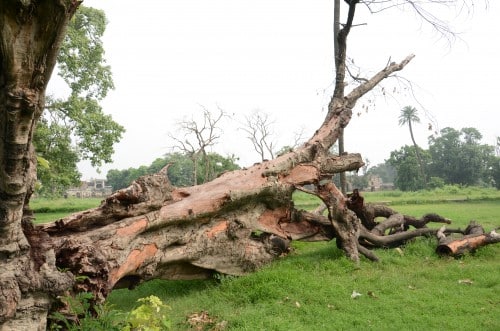
It has been estimated that the count of fallen trees in the Twin Cities will surpass 3,000. It is likely that you or someone you know was affected by such damage.
Depending on the damage, your tree may be salvageable. Be extremely careful when checking the damage of your trees, especially in the instance of an upright tree, which can drop debris well after a storm hits. Points to consider when considering whether or not to salvage a damaged tree include:
- Existing health & structure
- Remaining crown percentage
- Size and stability of remaining branches
If you decide to keep a salvageable tree, be sure to have the damaged pieces removed and prune it to assist in the healing process. If the damage is extensive or dangerous to repair, contact a certified arborist – such as Ostvig Tree Care. Hiring a certified arborist to assist with the damage is the safest way to address tree damage.
Contact your city, whether through their website or directly by phone, to see when the debris pick-up will take place. After a large storm, cities will often assign crews to collect trees and brush from the curbs of residents. There may also be a yard waste drop-off in your area, if you miss the city pick-up, but this is often a hassle because of transport issues. Be aware that the city will often only pick up from the curb, not on the property of the resident. If you contract Ostvig Tree Care to assist with your fallen trees, we will remove the tree from your property.
Important Post Storm Safety Tips
- Do not touch downed power lines or objects in contact with them.
- Although you may be tempted to scan the damage done in your area, stay in a safe area since damage to trees and power lines can come after the storm hits.
- Confirm that your neighbors are okay, particularly if they are elderly or disabled.
Categories
Jim Ostvig
Few people know Minnesota trees like Jim Ostvig. As an ISA Certified Arborist and former owner of Ostvig Tree Care, he has built a career around providing practical, science-based recommendations that put the long-term health of trees first.
Related Posts
Jim Ostvig | August 14, 2026 | Tree Care Tips
Plant Health Care Programs: What’s Included & Why You Should Enroll
Plant health care keeps trees healthy for years. Discover what's included in a PHC program, why they save money compared to removal, and how to get started.
Jim Ostvig | August 14, 2026 | Tree Care Tips
Best Time to Prune Trees in Minnesota (And When to Avoid)
Discover the best seasons for tree pruning in Minnesota. Learn why winter is best for most trees, plus species-specific exceptions and disease risks to avoid.
Jim Ostvig | August 14, 2026 | Tree Pests and Diseases
Oak Wilt Prevention: Minnesota’s Year-Round Seasonal Guide
Worried about oak wilt? Learn when it spreads, how to recognize symptoms, and the best times to prune, treat, and protect Lake Minnetonka oak trees.
Have a Question We Haven't Covered?
Our ISA Certified Arborists are always happy to help. Reach out for a free consultation, or explore more articles in the Learning Center.