
The Best Seasons for Tree Pruning & Trimming
Why is tree pruning and trimming so important? Because of the impact this maintenance has on your tree’s health and well-being. This may tempt you to get to work on your trees right away, but…

4.7 OUT OF 5 STARS
Trusted by homeowners
across the twin cities
Why is tree pruning and trimming so important? Because of the impact this maintenance has on your tree’s health and well-being. This may tempt you to get to work on your trees right away, but your landscape needs different things done at different times.
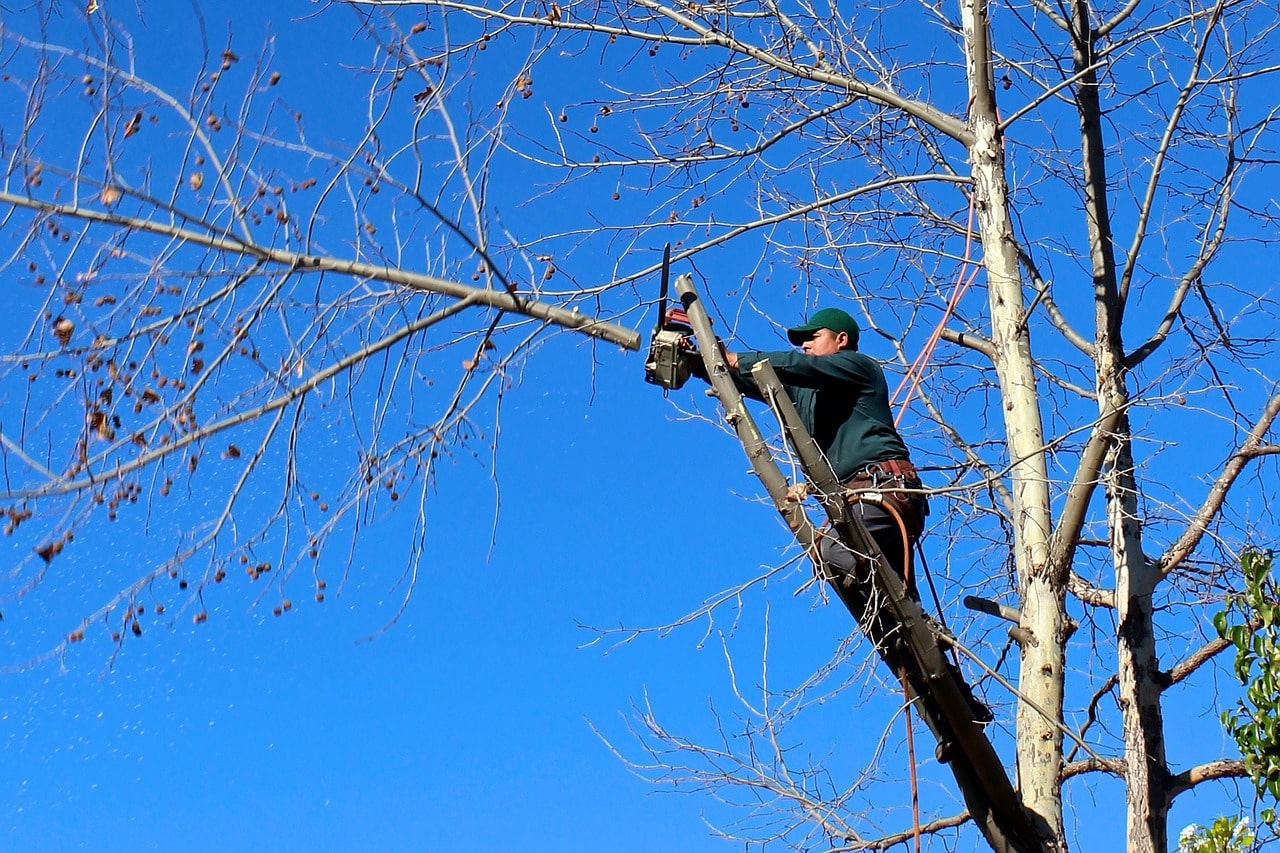
Light pruning and the removal of dead wood can be done anytime – as pruning and trimming helps remove dead or broken limbs and helps keep your tree healthy – but there are rules of thumb for seasonal pruning and trimming. Here are some guidelines for seasonal pruning.
Winter tree pruning
It is recommended that you wait until a tree is dormant before pruning. This typically occurs between autumn (after the leaves fall from the tree) and spring (before buds start to appear). By pruning or trimming while your tree is dormant, the result is a hearty burst of new growth in the spring. However, if your tree shows any signs of loose limbs, remove them prior to severe weather such as heavy snowfall or ice. The added weight can put you, your property and others in danger. Click here for more tips on caring for trees in winter.
Summer tree pruning
While winter pruning is more favorable due to the dormancy of trees, summer pruning and trimming has its benefits. Dead and damaged limbs and branches should be removed prior to inclement weather. Diseased limbs and branches should be removed immediately to block the disease from spreading throughout the tree. Fruit trees are best pruned in the summer to reduce the spread of disease. Summer is also a great time to do structural work to trees if they are not balanced.
Late-summer dormancy for plants
Many perennials, woody plants and plants native to Minnesota naturally go dormant later in the summer when water is scarce. They prefer to be thinned or reduced in size before the heavy rainfall that can come in late autumn and winter. Many late-spring flowering plants, if pruned just after bloom and before setting seed, can produce a second bloom. Any time you remove ripening seed from a perennial, it will store more energy for the following season. Directing new vigorous growth after bloom on aggressive plants such as wisteria can save a lot of winter work.
Trimming tips:
- It is best to only trim branches that have weak, V-shaped, narrow angles. Keep strong branches with U-shaped angles. Learn more about pruning and trimming leafy trees.
- There are a lot of tree pruning myths that you shouldn’t believe. Find out three common ones here.
- Different trees require different levels of care. We broke out conifers by their resistance to ice in this blog post.
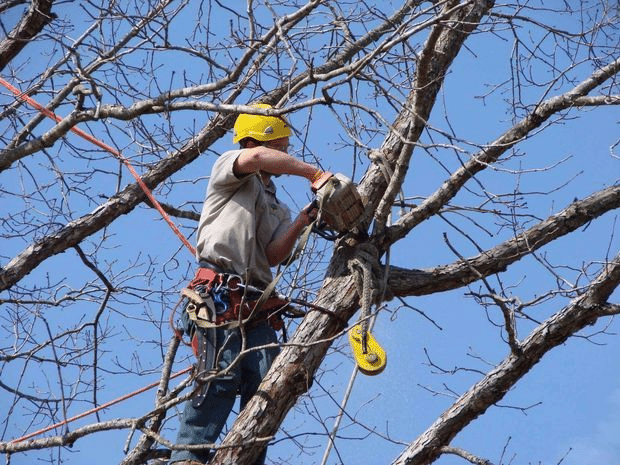
- Never prune or trim limbs on your own if they are too high to comfortably reach. Your safety is a priority. That’s why tree care companies like Ostvig are here to help with your year-round tree trimming and pruning needs. Contact us to learn more!
Categories

Jim Ostvig
Few people know Minnesota trees like Jim Ostvig. As an ISA Certified Arborist and former owner of Ostvig Tree Care, he has built a career around providing practical, science-based recommendations that put the long-term health of trees first.
Related Posts
Jim Ostvig | August 14, 2026 | Tree Care Tips
Plant Health Care Programs: What’s Included & Why You Should Enroll
Plant health care keeps trees healthy for years. Discover what's included in a PHC program, why they save money compared to removal, and how to get started.
Jim Ostvig | August 14, 2026 | Tree Care Tips
Best Time to Prune Trees in Minnesota (And When to Avoid)
Discover the best seasons for tree pruning in Minnesota. Learn why winter is best for most trees, plus species-specific exceptions and disease risks to avoid.
Jim Ostvig | August 14, 2026 | Tree Pests and Diseases
Oak Wilt Prevention: Minnesota’s Year-Round Seasonal Guide
Worried about oak wilt? Learn when it spreads, how to recognize symptoms, and the best times to prune, treat, and protect Lake Minnetonka oak trees.
Have a Question We Haven't Covered?
Our ISA Certified Arborists are always happy to help. Reach out for a free consultation, or explore more articles in the Learning Center.